Creek and Lane Crossing Culverts in Fort Wayne, IN
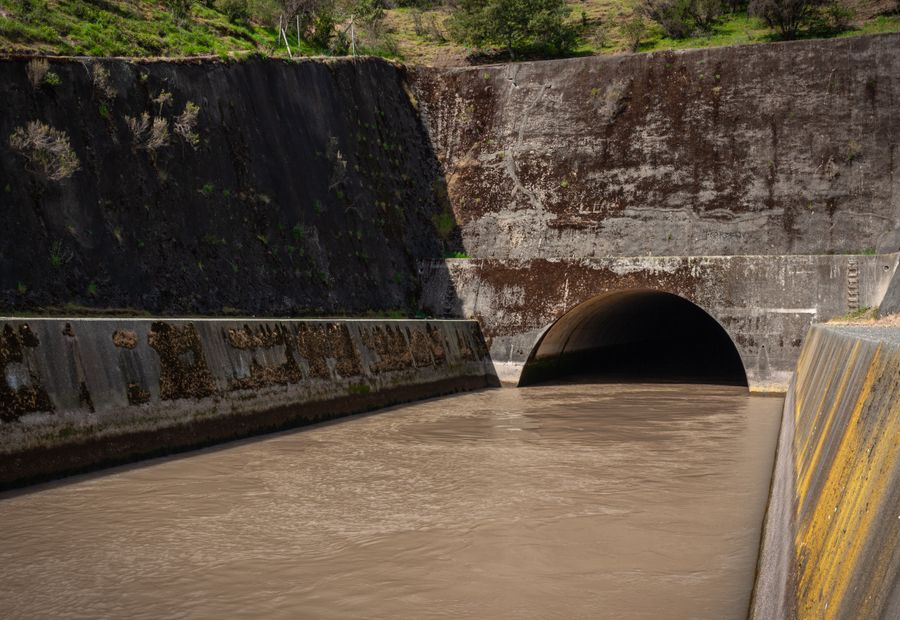
Fort Wayne Culvert Company builds creek and lane crossings across Allen, Whitley, and DeKalb counties, Indiana, and also installs driveway culverts, replaces and repairs failed pipe, builds field entrances, grades approaches, protects outlets, and runs commercial culvert work. We serve farms, wooded acreages, hunting ground, and private lanes around Fort Wayne, Grabill, Leo-Cedarville, Monroeville, and Woodburn.
Crossings get built from concrete box culvert sections where the span is wide and the cover is thin, aluminized Type 2 metal pipe where the water is aggressive and a long service life matters, and angular riprap on both banks at both ends. This is not a roadside entrance with a bigger pipe in it. A live stream carries flow every month of the year, rises quickly, and pushes debris ahead of it. A crossing sized off a rainfall guess gets found out the first time the creek comes up at night.
Sizing for a Stream, Not a Ditch
The watershed above a creek crossing is bigger than the one above a driveway, and it behaves differently. We look at the channel itself: how wide it runs, how high the debris line sits on the banks, and where water has already gone around a previous crossing. The existing high water marks are better evidence than any number somebody quotes over the phone.
One Barrel, Two, or a Box
A single large pipe passes debris best. Twin barrels solve a shallow cover problem. A precast box spans wide channels with little depth above it and keeps a flat floor for low flow. Cattle and equipment crossings add their own requirements above the structure, because hooves and tracks work a surface differently than tires do.
Banks, Approaches, and Erosion
Both banks get protected, upstream and downstream. Rock on fabric at the ends, shaped channel above and below, and seeded slopes where the ground is bare. The lane climbing out of the crossing gets compacted base, or the first wet spring turns the approach into the weak point instead of the structure.
Approvals Come First
A stream crossing carries approvals a driveway entrance does not. We identify which offices are involved and what they require before we hand you a number, and we do not promise a build date until that is settled. Call (260) 529-7484.
Is one big pipe better than two smaller ones?
Usually yes, on a live stream. A single larger barrel carries debris through instead of catching it on the wall between two pipes, and it keeps a defined low flow channel in dry weather. Two pipes side by side make sense where cover depth is tight, because a pair of shallower barrels can pass the same water as one deep one without raising the lane. The site decides, and the debris load decides more than the arithmetic does.
When does a box culvert beat round pipe?
When the span is wide and the cover is thin, which is the exact combination a lane crossing a creek usually presents. A precast box section spreads across the channel and needs far less depth above it than a round pipe of equal capacity. Boxes also keep a flat floor, so low flow stays in a channel rather than spreading across a curved invert. They cost more and they need real equipment to set.
What is a low water crossing?
A hardened surface built at stream level that vehicles drive through rather than over. Water crosses the top of it during high flow and the crossing is out of use until the level drops. It suits a lightly used lane on a stream too wide to bridge economically, and it fails as a plan the moment somebody needs guaranteed access. Approvals apply to one of these the same as they do to a pipe.
Do I need approval for a crossing on my own land?
Very likely, and never assume the answer is no because there is no public road involved. A private crossing away from a road can still sit on a regulated drain or a stream, and both bring an office into it. In Allen County the County Surveyor administers the regulated drains, and consent is required before anything permanent goes inside a drain easement. We find out what applies to your crossing before quoting it.